About But I'm a Cheerleader
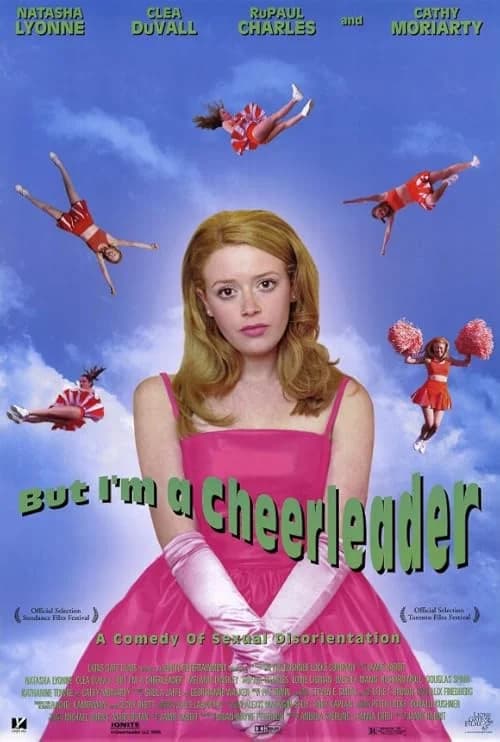
But I'm a Cheerleader (1999) remains a beloved cult classic that brilliantly satirizes conversion therapy through a vibrant, candy-colored lens. Directed by Jamie Babbit, this comedy-drama follows Megan Bloomfield (Natasha Lyonne), a high school cheerleader whose suburban family becomes convinced she's a lesbian based on stereotypical clues like vegetarianism and Melissa Etheridge posters. They send her to True Directions, a conversion camp run by the stern Mary Brown (Cathy Moriarty), where Megan must confront her sexuality alongside other teens struggling with their identities.
The film's strength lies in its perfect balance of sharp satire and genuine heart. Lyonne delivers a wonderfully naive yet determined performance as Megan, whose journey of self-discovery feels authentic despite the absurd premise. The supporting cast shines, particularly Clea DuVall as Graham, a rebellious camper who becomes Megan's love interest. Their tender romance provides the emotional core that grounds the film's more outrageous comedic moments.
Babbit's direction creates a distinctive visual style with deliberately artificial pastel sets that mirror the camp's forced heteronormativity. The film tackles serious themes of identity, family pressure, and institutional homophobia with humor and compassion, making its critique of conversion therapy both accessible and powerful. While released in 1999, But I'm a Cheerleader remains remarkably relevant, offering both laughs and heartfelt moments. Viewers should watch this film for its unique tone, memorable performances, and its important place in LGBTQ+ cinema history as an early mainstream film that challenged harmful practices with wit and warmth.
The film's strength lies in its perfect balance of sharp satire and genuine heart. Lyonne delivers a wonderfully naive yet determined performance as Megan, whose journey of self-discovery feels authentic despite the absurd premise. The supporting cast shines, particularly Clea DuVall as Graham, a rebellious camper who becomes Megan's love interest. Their tender romance provides the emotional core that grounds the film's more outrageous comedic moments.
Babbit's direction creates a distinctive visual style with deliberately artificial pastel sets that mirror the camp's forced heteronormativity. The film tackles serious themes of identity, family pressure, and institutional homophobia with humor and compassion, making its critique of conversion therapy both accessible and powerful. While released in 1999, But I'm a Cheerleader remains remarkably relevant, offering both laughs and heartfelt moments. Viewers should watch this film for its unique tone, memorable performances, and its important place in LGBTQ+ cinema history as an early mainstream film that challenged harmful practices with wit and warmth.